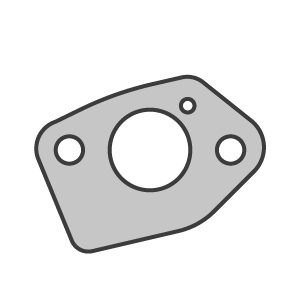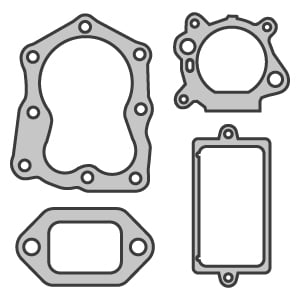
Briggs & Stratton Gaskets & Gasket Sets

Briggs & Stratton Gaskets & Gasket Sets

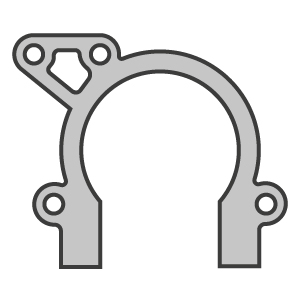
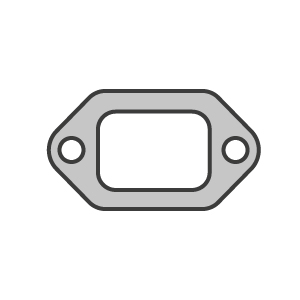
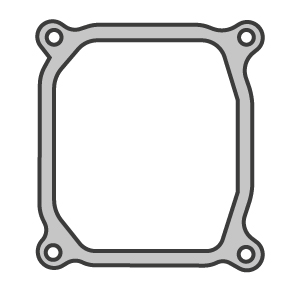
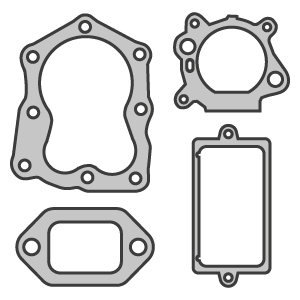
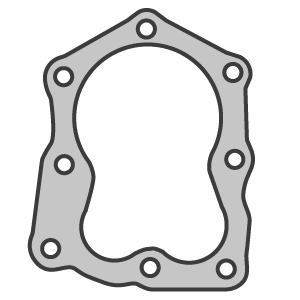
Browse our range of Briggs & Stratton gaskets and gasket sets, including air filter gaskets, carburettor gaskets, cylinder head gaskets, crankcase/sump gaskets, exhaust gaskets, rocker cover gaskets, float bowl gaskets, fuel tank gaskets, breather gaskets, gasket sets and intake gaskets. Designed to provide reliable sealing across key engine components, these gaskets help prevent leaks, maintain proper compression and support smooth, dependable engine performance.
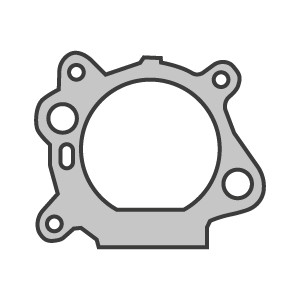
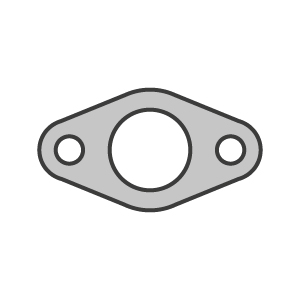
Browse our range of Briggs & Stratton gaskets and gasket sets, including air filter gaskets, carburettor gaskets, cylinder head gaskets, crankcase/sump gaskets, exhaust gaskets, rocker cover gaskets, float bowl gaskets, fuel tank gaskets, breather gaskets, gasket sets and intake gaskets. Designed to provide reliable sealing across key engine components, these gaskets help prevent leaks, maintain proper compression and support smooth, dependable engine performance.
Recently viewed products


Sealing is fundamental to how an engine maintains pressure and operates efficiently. Gaskets and gasket sets are designed to create tight seals between engine components, preventing leaks of air, fuel or oil while keeping internal systems properly contained. These seals are exposed to heat, pressure and constant movement, which can affect how effectively they perform over time.

Even minor gaps can impact compression and lead to performance issues across the engine. Keeping sealing surfaces in good condition helps maintain pressure balance and supports consistent operation. For engines that rely on precise internal conditions, the role of gaskets is essential in maintaining stability and efficiency throughout use.


FAQs


What do gaskets do in an engine?

Gaskets create a seal between engine components to prevent leaks of gases and fluids. This helps maintain pressure and ensures systems operate efficiently.


Why are gasket sets used instead of single gaskets?

Gasket sets include multiple seals needed for a specific section of the engine. This helps ensure all related components are properly sealed during maintenance or repair.


What happens if an engine seal fails?

A failed seal can lead to leaks, loss of pressure and reduced performance. In some cases, it may also cause overheating or further internal damage.


Where are gaskets typically located in an engine?

Gaskets are found between key components such as the cylinder head, crankcase and other joined surfaces. They sit at connection points where sealing is required.


Why is proper sealing important for engine efficiency?

Maintaining a tight seal helps preserve compression and prevents loss of fluids or gases. This supports smoother operation and consistent engine performance.